

Do You Know What Your Collection Is Worth?
October 13, 2026
Preparing for the Winter Roads Ahead
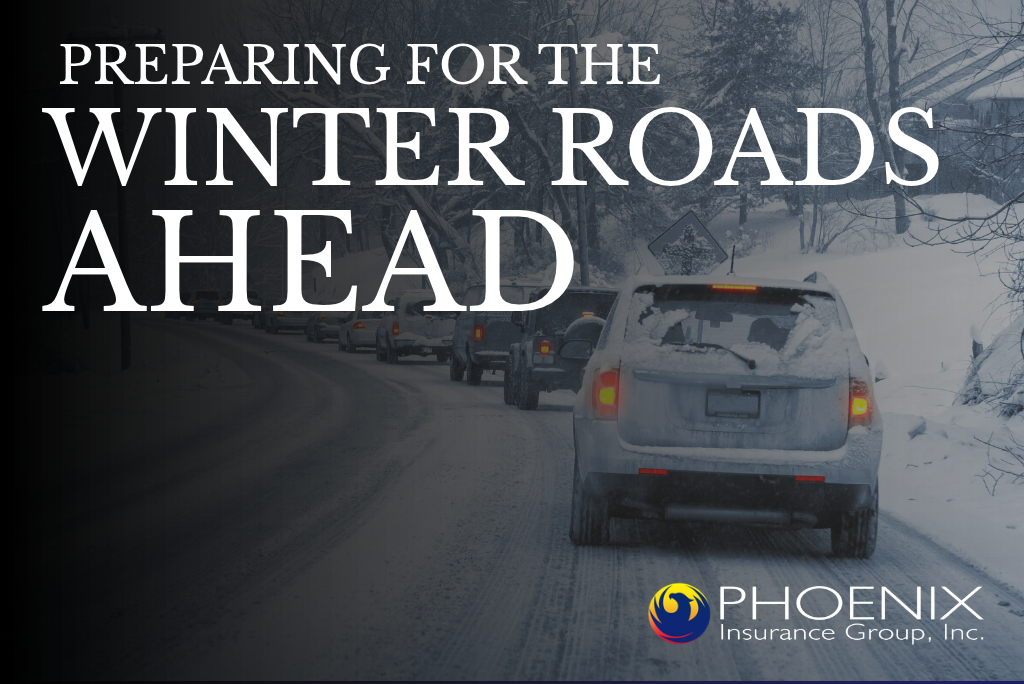
Winter has a way of changing even the most familiar drives. A simple commute in the summer and fall turns unpredictable when snow falls and ice freezes. The vehicle may be the same and the route familiar, but the conditions require a new approach and carefulness that the rest of the seasons don’t require.
For drivers throughout Pennsylvania and New Jersey, winter preparation deserves more attention than simply putting the ice scraper and snow brush in the trunk. Vehicle maintenance, driving habits, travel decisions. and insurance coverage all play a part in how well you’re prepared for the months ahead.
Winter driving safety starts long before the first significant snowfall, and a little preparation can help reduce avoidable risks, protect the people traveling with you, and make an unexpected situation easier to manage. It is also a good time to consider whether your current auto insurance still reflects your needs.
Beginning with the Vehicle…
Vehicles that perform perfectly in the autumn months may begin to operate and respond differently when temperatures begin to drop. Cold weather places additional demands on key components within your vehicle, and problems that were easy to overlook in warmer months can become much more noticeable.
Start with the basics, which can begin with your tires. Check your tire pressure, since colder temperatures can reduce tire pressure. Also, make sure to measure your tire tread to ensure that they’ll have proper traction in unfavorable conditions. Depending on your driving habits, all-season tires may be appropriate, but their condition and suitability for local winter conditions should not be taken for granted. Drivers who regularly plan on traveling far distances or on snow-covered roads may want to inquire into winter tire options with a qualified tire professional.
Additionally, make sure to check that your battery is in good condition, especially if it has been in use for a few years. While you’re under the hood, have your brakes, belts, hoses, and fluid levels inspected as part of your seasonal maintenance.
Visibility deserves equal attention. Worn windshield wipers, low washer fluid, or a malfunctioning defroster can make an already challenging drive considerably more difficult. Check that all exterior lights are working, which you can do by having someone help you, walking around your vehicle, or using the reflections of large storefront windows in the evening to see your brake and turn signal lights. Being able to see the road is essential, but being completely visible to other drivers matters just as much.
It is also worth remembering that modern vehicles rely on cameras and sensors for certain driver-assistance features. Snow, ice, and road grime can interfere with those systems. Before setting out on your trip, clear snow and ice from all windshields, windows, mirrors, cameras, sensors, taillights, headlights, and even your roof.
If those maintenance recommendations sound like too much for you to do on your own, then take your vehicle(s) to a certified, trusted mechanic who can not only service your vehicle, but also make suggestions on what can help your vehicle be prepped for the winter. They won’t be able to clean off your vehicle every time it snows, but they can help with everything else one the list.
Prepare for the Trip You Didn’t Plan
Most drivers prepare for the trip they expect to take. Winter is a good reminder to prepare for the one that doesn’t go according to plan.
During the winter months, its much more likely that a vehicle and its occupants can become stranded because of a breakdown, an accident, or weather conditions that make continuing either safe or outright impossible. Even a short delay can become uncomfortable when temperatures are low and daylight is limited.
A winter emergency kit is a simple precaution that you should have in your car every winter. Consider adding the following items to it before the first snowfall:
- Ice scraper and snow brush
- Small snow shovel
- Jumper cables or a portable jump starter
- Flashlight and extra batteries
- Blanket and extra warm clothing
- First-aid kit and necessary medications
- Bottled water and nonperishable snacks
- Phone charger or power bank
- Reflective warning devices
- Sand or another traction aid
The contents should reflect who regularly travels in the vehicle. A family with young children may have different needs than someone who commutes alone or regularly drives long distances. Anyone who travels with pets should consider also packing supplies for them as well.
It’s also worth keeping the fuel tank reasonably full during periods of severe winter weather. Before longer trips or forecasted bad weather, check your gas tank, allow additional travel time, and let someone know your route and expected arrival time if conditions are particularly poor.
An emergency kit is not a substitute for vehicle maintenance or sound judgment, but it can make a difficult delay more manageable. The National Highway Traffic Safety Administration provides additional recommendations for preparing your vehicle and emergency supplies in its winter driving safety guidance.
Familiar Roads Can Become Unfamiliar
One of the more misleading aspects of winter driving is how quickly conditions can change.
A road that appears wet may actually be covered in black ice. Bridges, overpasses, and ramps can freeze before other sections of pavement because cold air circulates around them. Snow can reduce visibility, while melting and refreezing can create slippery conditions long after a storm has passed.
These changes require drivers to adjust their habits.
Reduce speed when conditions warrant it, increase the distance between your vehicle and the one ahead, and avoid sudden braking or sharp steering movements. Give snowplows plenty of room to operate. Snowplow drivers have limited visibility and need space to clear the road safely.
While four-wheel drive and all-wheel drive can help a vehicle get moving in certain conditions, but they do not eliminate the additional distance required to stop on snow or ice. Having the ability to accelerate does not mean that you will have the traction needed to brake or turn safely.
Another consideration you will need to keep in mind is whether or not the trip needs to happen at all.
Work schedules, appointments, and family responsibilities don’t necessarily stop when winter weather arrives, but when conditions are hazardous, postponing a non-essential trip may be the most sensible decision. Checking local travel advisories before leaving can help you make that call.
Winter driving safety is not simply about knowing how to handle a vehicle on snow. Sometimes it means recognizing when the condition are beyond what you should reasonably attempt.
What Happens When Another Driver Is Involved?
Even a careful driver can become involved in an accident during winter weather. Reduced traction, limited visibility, and longer stopping distances can leave very little room to react when another vehicle loses contact.
This is where the details of your auto insurance policy become especially important.
Several types of coverage may come into play, depending on the circumstances of an accident.
Collision coverage generally helps pay for damage to your own vehicle resulting from a collision with another vehicle or object, subject to your deductible and policy terms. This can be relevant whether you slide into a guardrail or collide with another vehicle.
Comprehensive coverage generally addresses certain types of damage that do not result from a collision, such as damage caused by falling objects, fire, theft, or other covered events. It is important to understand the distinction between comprehensive and collision coverage, particularly when winter weather is involved.
Liability coverage helps protect you financially if you are legally responsible for injuries to other people or damage to their property. The limits you carry matter. A serious accident can create expenses that extend well beyond the cost of repairing a vehicle.
Uninsured and underinsured motorist coverage may provide protection when an at-fault driver has no insurance or insufficient insurance, subject to the coverage selected and applicable state requirements. This is truly worth reviewing, especially if you plan on driving in or near New Jersey. Because of the state laws regarding car insurance and the “Dollar a Day” insurance plans that offers drivers extremely limited protection, if an underinsured driver hits your car, you could be left with the bill.
There is no single coverage combination that is right for every driver. Your vehicle, driving habits, household circumstances, assets, and financial priorities all influence the conversation.
It’s also important to remember that insurance does not replace safe driving or vehicle maintenance. A policyis there to help manage certain financial consequences when something happens. It cannot prevent an accident or guarantee that every expense will be covered.
When Was The Last Time You Reviewed Your Policy?
Many people review their auto insurance when they purchase a vehicle, add a driver, or receive a renewal notice. Even then, sometimes reviewing a policy in detail can be the last thing you want to do. However, over time with life changes both big and small, policies often become outdated.
Consider a few questions before the winter rolls around:
- Are your liability limits appropriate for your current financial circumstances?
- Do you understand your collision and comprehensive deductibles?
- Have you reviewed your UIM (Uninsured or Underinsured Motorist) coverage?
- Does your policy actually reflect the vehicles and drivers in your household?
- Do you know what to do and who to contact if you need to file a claim?
These questions should be considered and answered before something goes wrong. A conversation with an insurance professional can help clarify where your coverage stands and whether adjustments may be worth considering.
You can learn more about the coverage options available through our personal auto insurance services page or by contacting a Phoenix Insurance Group agent.
When Was The Last Time You Reviewed Your Policy?
Winter driving will never be entirely predictable. A well-maintained vehicle can still encounter dangerous conditions, and a cautious driver cannot account for every decision made by someone else on the road.
But preparation gives you a better starting point. Check the vehicle before the cold sets it, keep useful supplies within reach, pay attention to changing road conditions, and give yourself the time and space needed to drive safely.
Just as importantly, understand the protection you have in place before you need it.
When winter follows you on the road, the best time to prepare is long before the first difficult drive.
Have a Question or Need a Custom Quote?